Guppy Fishes
Guppy Food
Guppy Food
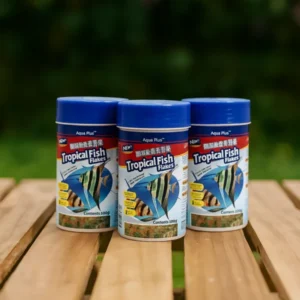
Guppy Food
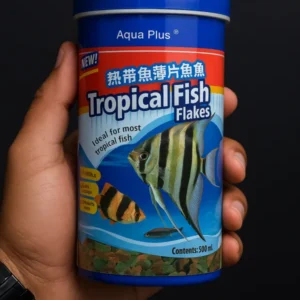
Guppy Food
Guppy fish are small, colorful freshwater fish loved by aquarium beginners around the world. They belong to the livebearing fish group and are known for their easy care needs.
These fish come in many bright colors and tail shapes, which makes every tank look lively and attractive. Guppies are peaceful by nature and usually mix well with other calm community fish. Because they are hardy, they can adjust to different tank conditions better than many delicate species.
However, they still need clean water, proper feeding, and a stable, warm temperature to stay healthy. With the right care routine, guppy fish can thrive and remain active for years. Understanding their basic needs helps fish keepers avoid common mistakes and create a safe, comfortable home aquarium environment.
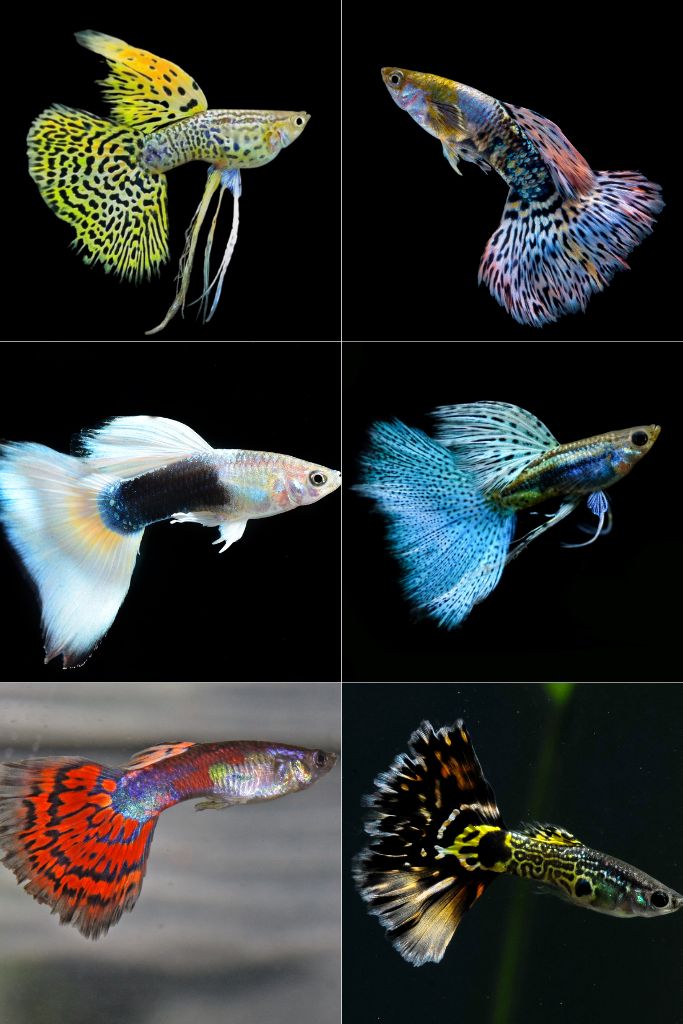
Guppies are tropical freshwater fish famous for their beautiful flowing tails and friendly nature in community aquariums. They come in many color patterns, including red, blue, yellow, and multicolored varieties, which makes them very popular among hobbyists. Most adult guppies grow between one and two inches long, so they fit well in small to medium tanks. Even though they are hardy, they still need proper water parameters to remain healthy and active. A stable temperature, gentle filtration, and regular feeding schedule support their natural behavior. Guppies are social fish and usually do best when kept in small groups rather than alone. When they feel safe, they swim actively and display brighter colors. Stress, sudden temperature changes, or poor water quality can make them dull and inactive. Understanding these basic traits helps fish keepers create a comfortable environment where guppies can live peacefully and show their full beauty inside a home aquarium.
Many beginners often wonder, how long does guppy fish live? In most home aquariums, guppies live around two to three years when they receive proper care. Some well-maintained guppies may survive a little longer, but their lifespan is naturally short compared to larger fish species. Several factors strongly influence how long a guppy survives in captivity. Clean water, balanced nutrition, and low stress levels are the most important elements. When water quality drops or ammonia rises, the fish becomes weak and more prone to disease. Overfeeding can also shorten lifespan because it pollutes the tank quickly. A calm tank environment helps the fish conserve energy and stay healthy. Regular observation allows early detection of health problems. While genetics also plays a role, daily care habits make the biggest difference. With consistent maintenance and a stable tank setup, owners can help their guppies live their full natural lifespan comfortably.
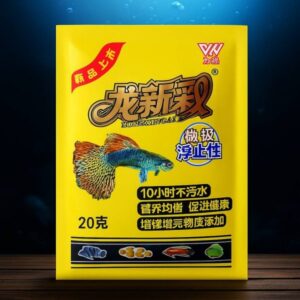
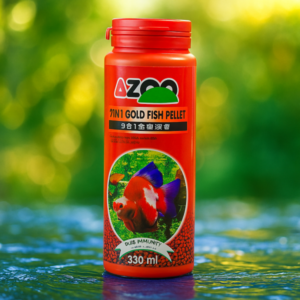
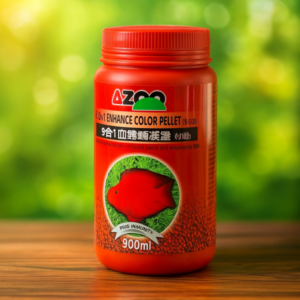
Water temperature between 24–26°C supports the guppy Fish metabolism and immune system. Sudden temperature swings can stress the fish and weaken its body over time. Poor water quality is one of the biggest reasons guppies die early in home aquariums. Waste buildup increases harmful toxins that damage the fish’s gills and fins. Overcrowding also creates stress and competition for food and oxygen. A varied diet improves overall health and supports a strong immune system against common diseases. High-quality flakes, micro pellets, and occasional live or frozen foods provide balanced nutrition. Gentle filtration helps keep the tank clean without creating strong currents that tire the fish. Regular weekly water changes remove waste and refresh minerals in the tank. Careful monitoring of these factors greatly improves survival chances and keeps guppies active, colorful, and healthy throughout their natural life cycle in a well-maintained aquarium.
Guppy breeding is considered one of the easiest processes in the aquarium hobby, which is why many beginners quickly experience success. Guppies are livebearers, meaning the female gives birth to fully formed, free-swimming babies instead of laying eggs. A healthy female can produce dozens of fry roughly every four weeks under good conditions. Because of this rapid reproduction, tank overcrowding can happen faster than many new fish keepers expect. Proper planning is important before allowing guppy breeding to occur in a home aquarium. A separate breeding or nursery tank often improves fry survival rates. Without protection, adult fish may eat the newborn fry shortly after birth. Providing dense plants or breeding boxes helps give the babies safe hiding spaces. Good nutrition for the mother also improves fry health and survival. With simple preparation and monitoring, guppy breeding can be an enjoyable and educational experience for aquarium hobbyists.
Maintaining the correct male-to-female ratio is important for reducing stress during guppy fish breeding. A common recommendation is one male for every two or three females. This prevents the male from constantly chasing a single female. Adding live plants such as guppy grass or java moss gives newborn fry safe hiding areas. Feeding the fry properly is also essential for healthy growth and survival. Crushed flakes, powdered fry food, or baby brine shrimp work very well. Clean water conditions must be maintained because young fry are sensitive to pollution. Many breeders separate the pregnant female shortly before birth to protect the babies. After delivery, the mother is usually moved back to the main tank. Careful monitoring, proper feeding, and stable water conditions make guppy breeding more successful and help raise strong, healthy young fish in a home aquarium environment.
Guppy fin rot is a common bacterial condition that often appears in tanks with poor maintenance or unstable water quality. It usually begins with small tears or whitening along the edges of the fins. If ignored, the damage slowly spreads and may reach the body of the fish. Stress, dirty water, and injuries are the most common triggers of guppy fin rot in home aquariums. Fish with weakened immune systems are more likely to develop this condition. Early detection is very important because mild cases are much easier to treat. Affected guppy fish may appear less active and may clamp their fins close to the body. Cloudy or foul-smelling water often indicates poor tank conditions. Immediate action should be taken to prevent the infection from worsening. With proper care and timely treatment, many guppies recover fully and regrow their damaged fins over time.
Regular tank maintenance is the most effective way to prevent guppy fin rot in home aquariums. Weekly partial water changes help remove harmful waste and bacteria from the tank. Decorations should be smooth and free from sharp edges that may tear delicate fins. Stable temperature and proper filtration also reduce stress levels in guppies. Overcrowding must be avoided because it increases waste buildup and weakens fish immunity. If guppy fin rot is noticed, the affected guppy fish should be moved to a separate hospital tank. Mild antibacterial treatments are commonly used to stop the infection from spreading. Improving water quality is just as important as medication during treatment. Monitoring the fish daily helps track recovery progress. With clean water, low stress, and early response, most cases of guppy fin rot can be successfully controlled and prevented from returning in the future.
Many aquarium hobbyists ask, can a betta fish live with a guppy in the same aquarium. The answer depends largely on the personality of the individual betta fish. Some bettas remain calm, but many are territorial and may attack colorful tank mates. Guppies have bright, flowing tails that sometimes trigger the betta’s aggressive instincts. Because of this risk, mixing these species always requires caution and close observation. Tank size also plays an important role in compatibility. A small tank increases the chance of conflict because Guppy fish cannot escape each other easily. Even if the fish appear peaceful at first, behavior can change suddenly. New fish keepers should always be prepared to separate the fish if aggression appears. Understanding these risks helps prevent injury and stress. Careful planning and monitoring are essential before attempting to house these two popular species together.
In some situations, mixed housing can succeed if conditions are carefully managed. A large, well-planted aquarium gives guppies places to hide when needed. Female bettas are usually less aggressive than males, so they may be safer tank mates. Even in good setups, constant observation is necessary during the first few weeks. Feeding both species properly also reduces competition and tension in the tank. If chasing, fin nipping, or stress signs appear, the fish should be separated immediately. Each betta has a unique temperament, so there is never a guaranteed outcome. Many experienced fish keepers prefer separate tanks to avoid risks altogether. However, with caution, space, and close monitoring, some hobbyists do manage peaceful community setups. The safety of both fish should always remain the top priority when deciding whether to keep these species together.
Consistent daily care keeps guppy fish active, colorful, and healthy for their full lifespan. Weekly partial water changes are one of the most important maintenance habits for any guppy tank. Feeding should be done in small portions once or twice per day to prevent waste buildup. Overfeeding quickly pollutes the water and increases disease risk. Gentle filtration helps maintain water clarity without creating strong currents that stress the fish. A stable warm temperature within the tropical range supports proper metabolism and immune function. Regular observation allows early detection of unusual behavior or illness. Adding live plants can improve water quality and provide natural hiding spaces. Avoid sudden changes in water parameters because guppies prefer stable conditions. With proper attention, routine maintenance, and balanced feeding, the guppy fishes remains one of the most rewarding and beginner-friendly aquarium pets for long-term enjoyment.